Service dog FAQ
Common questions about AlphaDog Assist
What kinds of service dogs do you train?
We train psychiatric service dogs (deep pressure therapy, stress signal recognition, panic attack mitigation, and interruption), medical alert dogs (medication reminders and retrieval, nightmare interruption, and hearing alert), migraine alert, allergen alert, and mobility assistance dogs (bracing, fall recovery and prevention, pulling up hills, retrieval, tug, and counterbalance).
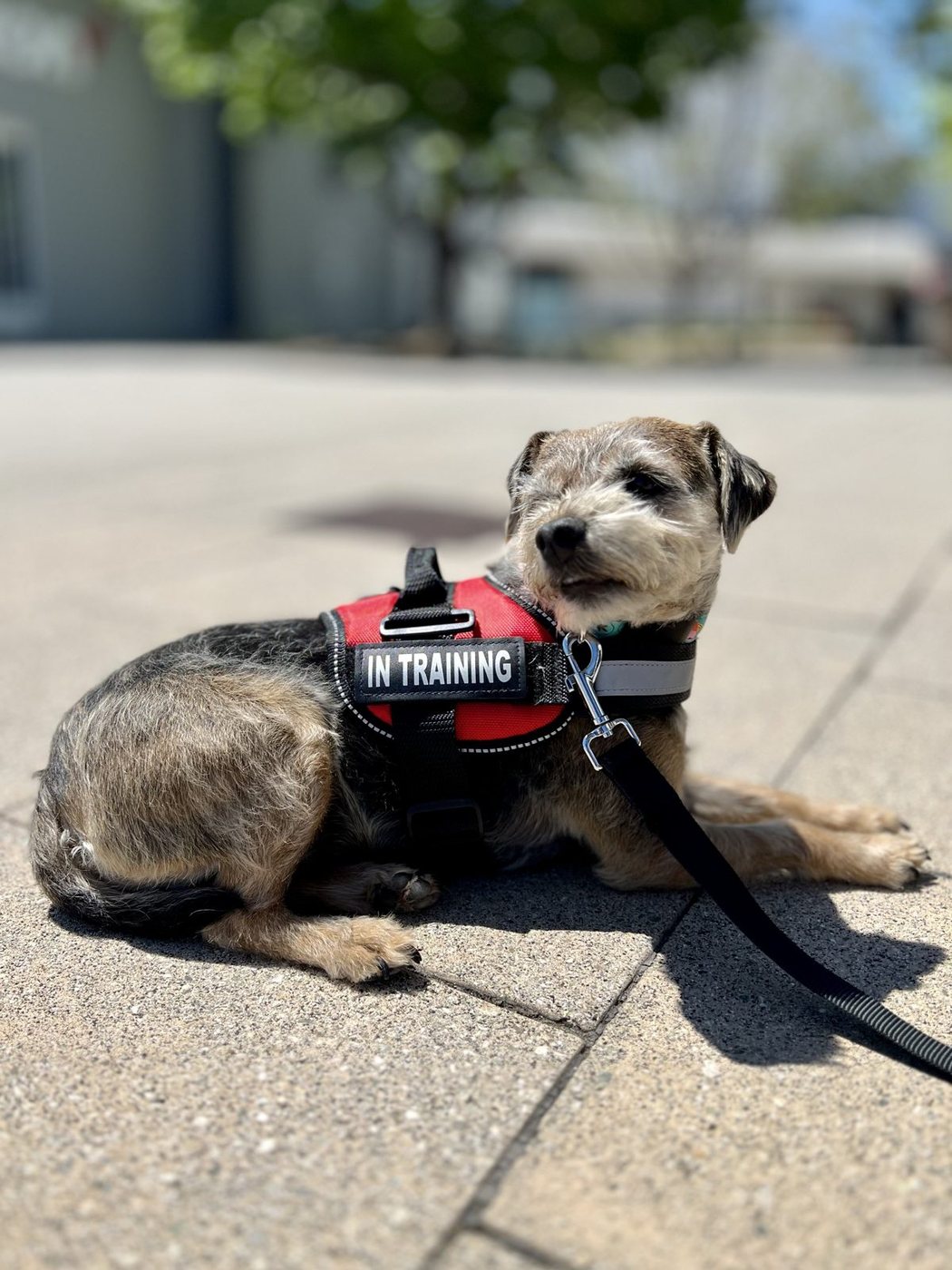
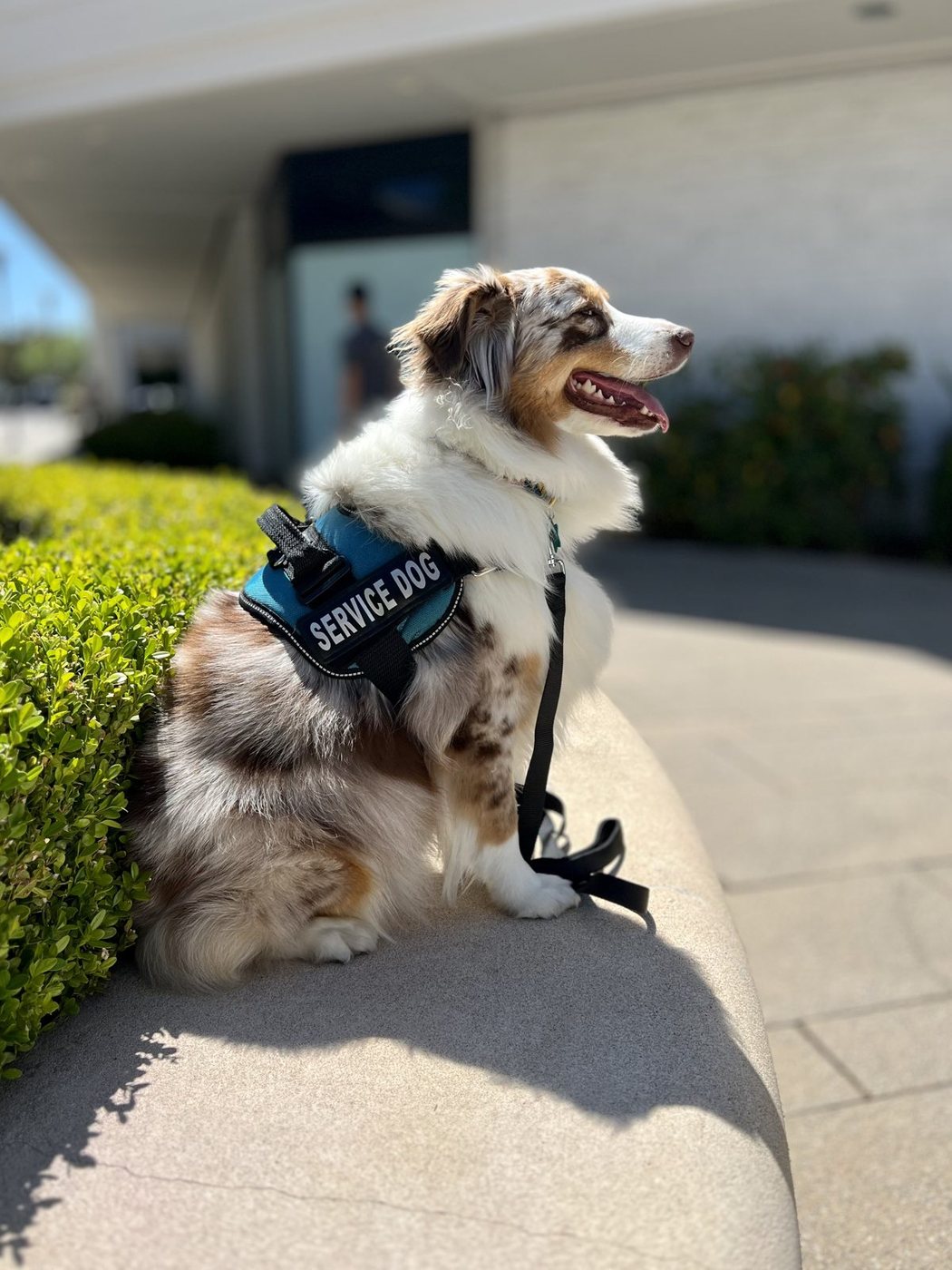
Does a vest make a dog a service dog?
No. A vest is just gear. It can signal that a dog is working and shouldn't be distracted, but it doesn't give a dog any abilities on its own. What makes a service dog is the trained task work: the specific, reliable tasks the dog performs to support its handler. That task training, built on a solid obedience foundation, is what our program focuses on.
Can you train a dog I already have?
Possibly. Every partnership starts with a consultation, where we learn about your needs and, if you already have a dog, assess whether they're a good candidate for service dog work.
What if a service dog can't help with my condition?
That's part of what the consultation is for. Not every need is a fit for service dog work, and we'll be honest with you about whether a trained dog is the right solution for your situation. If it isn't, we'd rather tell you upfront than start a program that won't serve you.
Who leads the program?
AlphaDog Assist was founded and is led by Sierra Berrick, our service dog training director and mental health specialist, alongside Mike Wombacher, our expert dog trainer.
Do you train the handler too, or just the dog?
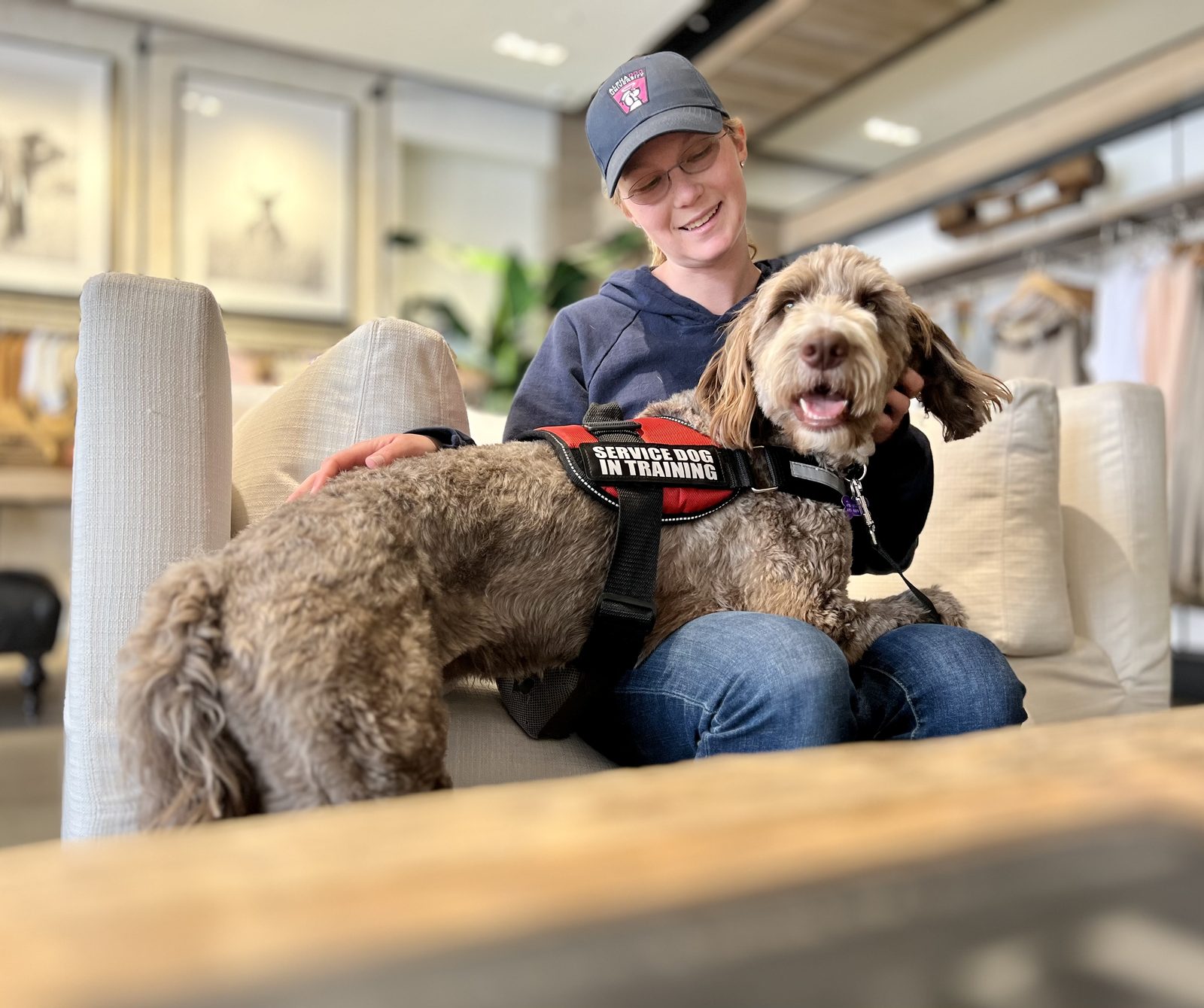
Both. During the handler transfer stage we train you and your dog together, so the partnership works out in the real world, not just at our facility.
How long does the training take?
It depends. Every dog and every set of tasks is different, so timelines vary with your dog's starting point, the tasks involved, and how training progresses. We'll give you a realistic sense of the timeline during your consultation.
What happens at graduation, and is it a certification?
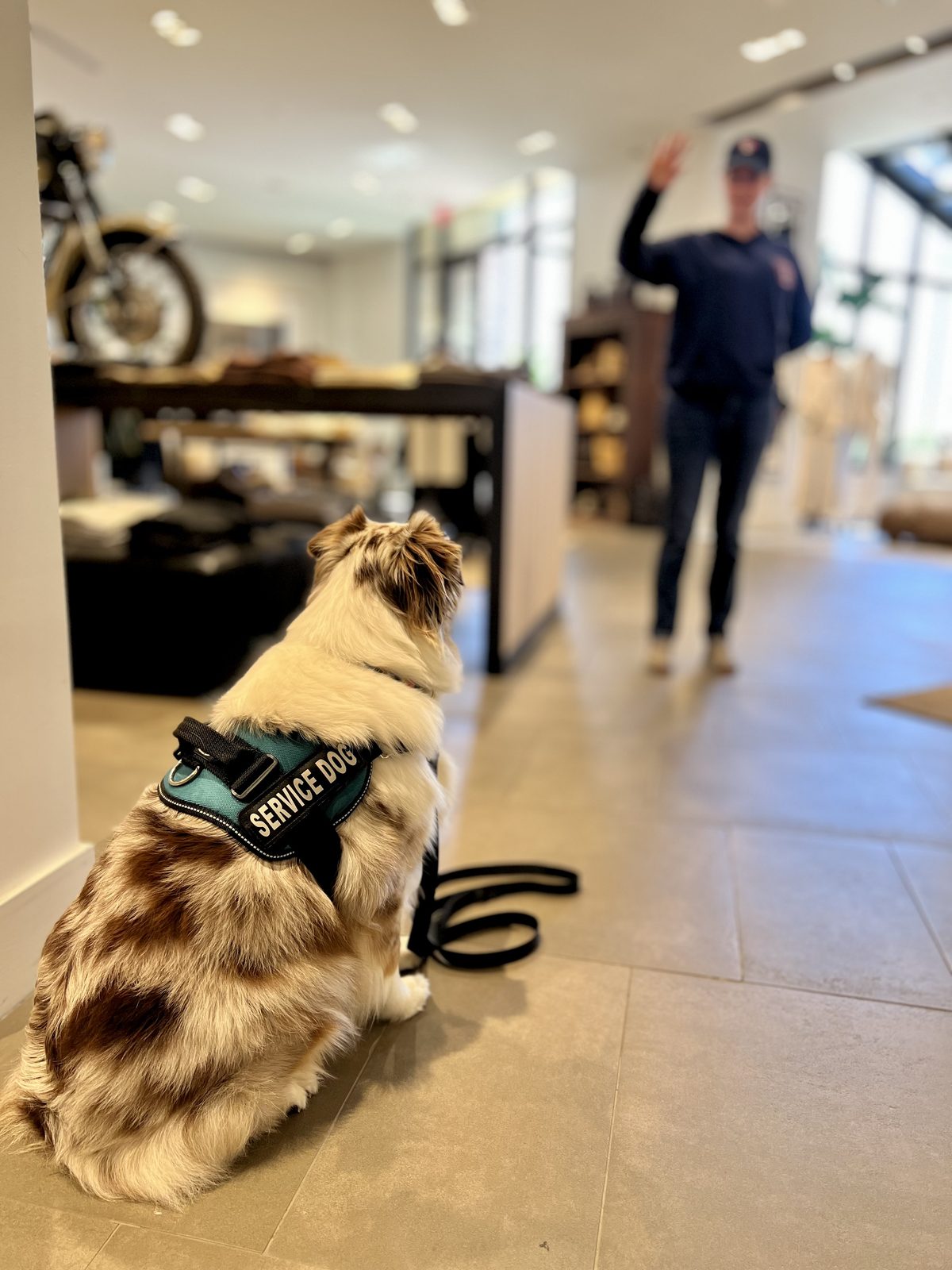
To graduate, the handler and dog complete a real-world outing that includes indoor dining, public transportation, and task work in challenging environments. The team then receives a letter of attestation for training. That's separate from the letter you'll need to obtain from your own doctor or therapist.
How do I book a consultation?
 AlphaDog Lodging